





Work For Us
West Park Care
Complex Care Work
Lorem ipsum dolor sit amet:
Lorem ipsum dolor sit amet
Lorem ipsum dolor sit amet, consectetur adipiscing elit. Ut elit tellus, luctus nec ullamcorper mattis, pulvinar.
Lorem ipsum dolor sit amet
Lorem ipsum dolor sit amet, consectetur adipiscing elit. Ut elit tellus, luctus nec ullamcorper mattis, pulvinar.
Lorem ipsum dolor sit amet
Lorem ipsum dolor sit amet, consectetur adipiscing elit. Ut elit tellus, luctus nec ullamcorper mattis, pulvinar.
West Park Care
Training and Development
Training and development of our complex care staff is essential to delivering safe, confident, and person-centred support. Because clients often present with intricate clinical needs—ranging from respiratory support and neurological conditions to tracheostomy or PEG management—staff must be equipped with both technical competence and strong decision-making skills. High-quality training builds that foundation.
Our solid programme starts with thorough induction training, ensuring every team member understands core clinical skills, safeguarding, infection control, and emergency procedures. From there, staff receive condition-specific education tailored to the needs of the individuals they will be supporting. This might include tracheostomy care, ventilation management, seizure response, catheterisation, medication administration, and moving and handling for clients with impaired mobility. These skills are typically taught through a blend of classroom sessions, simulation training, and supervised practice to ensure staff can apply learning safely in real-world situations.
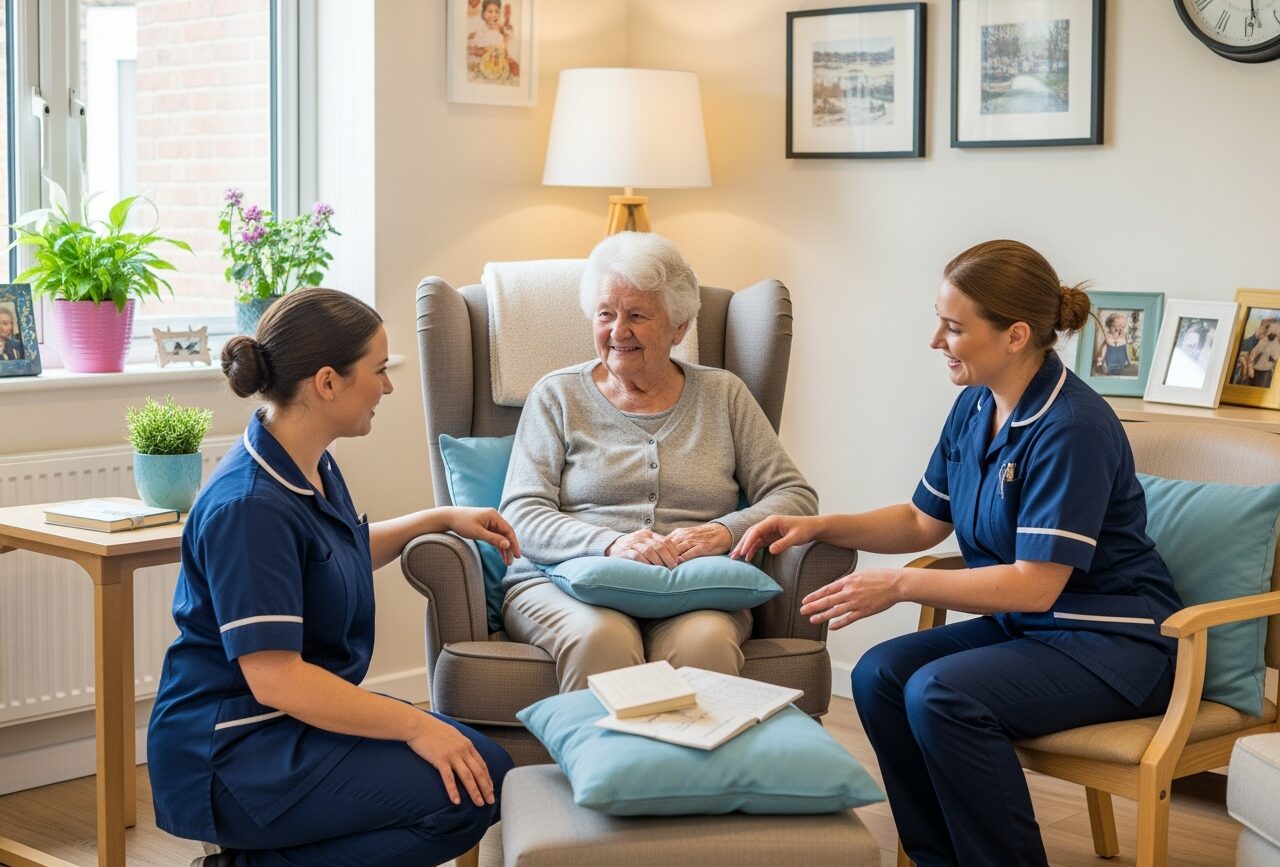
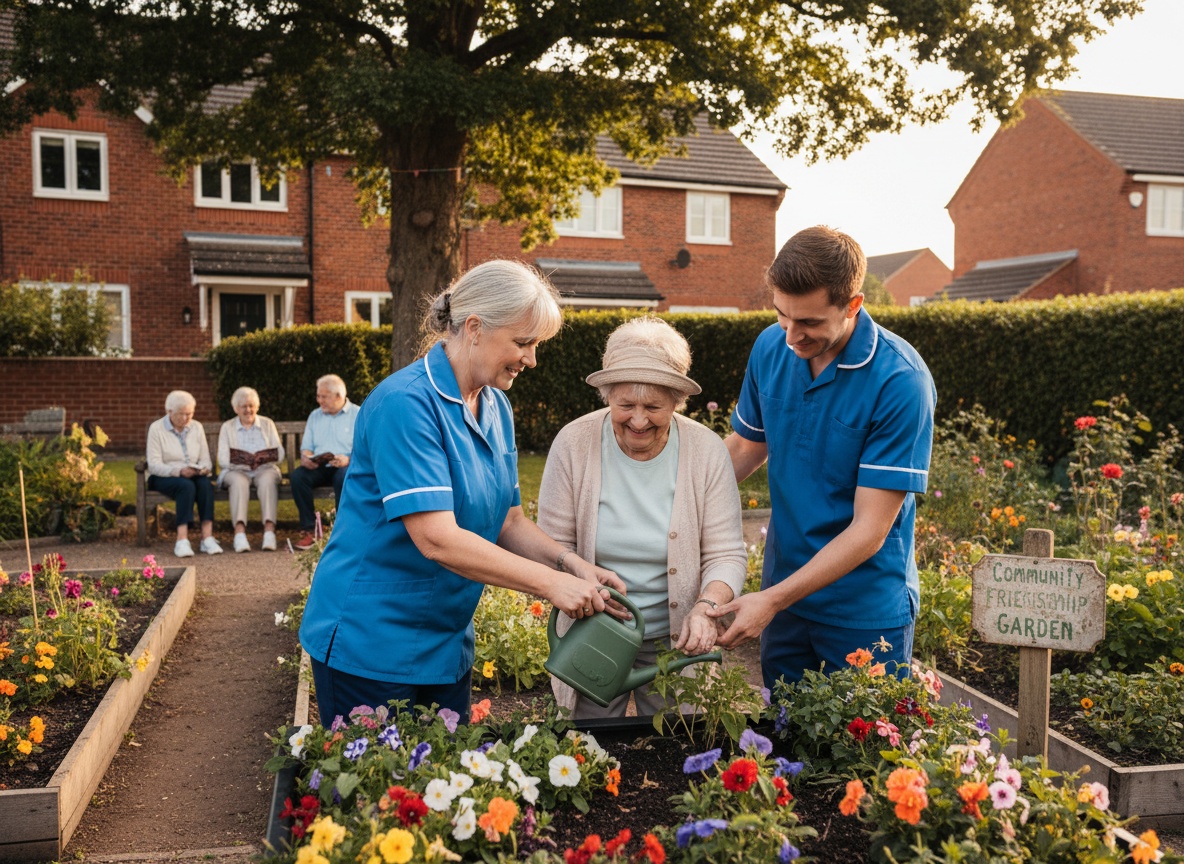
Ongoing development is just as important as initial training. Complex care evolves, and we ensure our staff must stay up to date with best practice, NICE guidance, and new technologies. Regular competency assessments help maintain high clinical standards, while reflective practice sessions encourage staff to build confidence, resilience, and good judgment. Collaboration with allied health professionals—such as physiotherapists, speech and language therapists, and respiratory nurses—also enriches learning and strengthens multidisciplinary working.
We believe good training not only improves the safety and quality of care but also supports staff wellbeing. When carers feel prepared and supported, they are more confident, more motivated, and better able to build strong relationships with the clients they serve. Ultimately, investing in training and development allows complex care staff to deliver consistent, compassionate, and highly skilled care in the home.
